




-

Statement: AFR Statement on Sam Bankman Fried’s Formal Pardon Request
Today’s pardon request by Sam Bankman-Fried is one more striking indication of the level of impunity that crypto industry figures expect from the President.

The Latest from AFR
-
-

The Private Equity 401(k) Trap
Wall Street and the Trump administration are pushing dangerous deregulation to give private equity firms access to the more than $14 trillion in retirement savings kept in 401(k) and other defined contribution plans. The proposal would risk people’s retirement security and amount to a tremendous and regressive transfer of wealth from workers saving for retirement…
-
AFR in the News
-
The Guardian: Consumer protection agency deletes thousands of pages as Trump administration seeks to dismantle it
“This is a desire to delete the story of the CFPB up until now and to start telling a new story, that the CFPB is in the way of innovation and that the CFPB is hurting, rather than helping, consumers,” said Tom Feltner, associate director of consumer policy at Americans for Financial Reform. He previously…
-
The Guardian: Democrats oppose Trump officials’ effort to include crypto in 401(k) plans
“Opening 401ks to these products risks turning workers’ retirement savings into a Ponzi-like scheme that throws a lifeline to an industry scrambling for fresh cash,” Oscar Valdés Viera, a senior policy analyst at consumer advocacy group Americans for Financial Reform, said in a statement.
-
Cointelegraph: Crypto’s CLARITY Act faces partisan fight over ethics on Senate floor
Progressive groups have called on lawmakers to address these concerns. A group of organizations including Americans for Financial Reform, Demand Progress Action, Indivisible and Public Citizen wrote a letter on May 8.
-
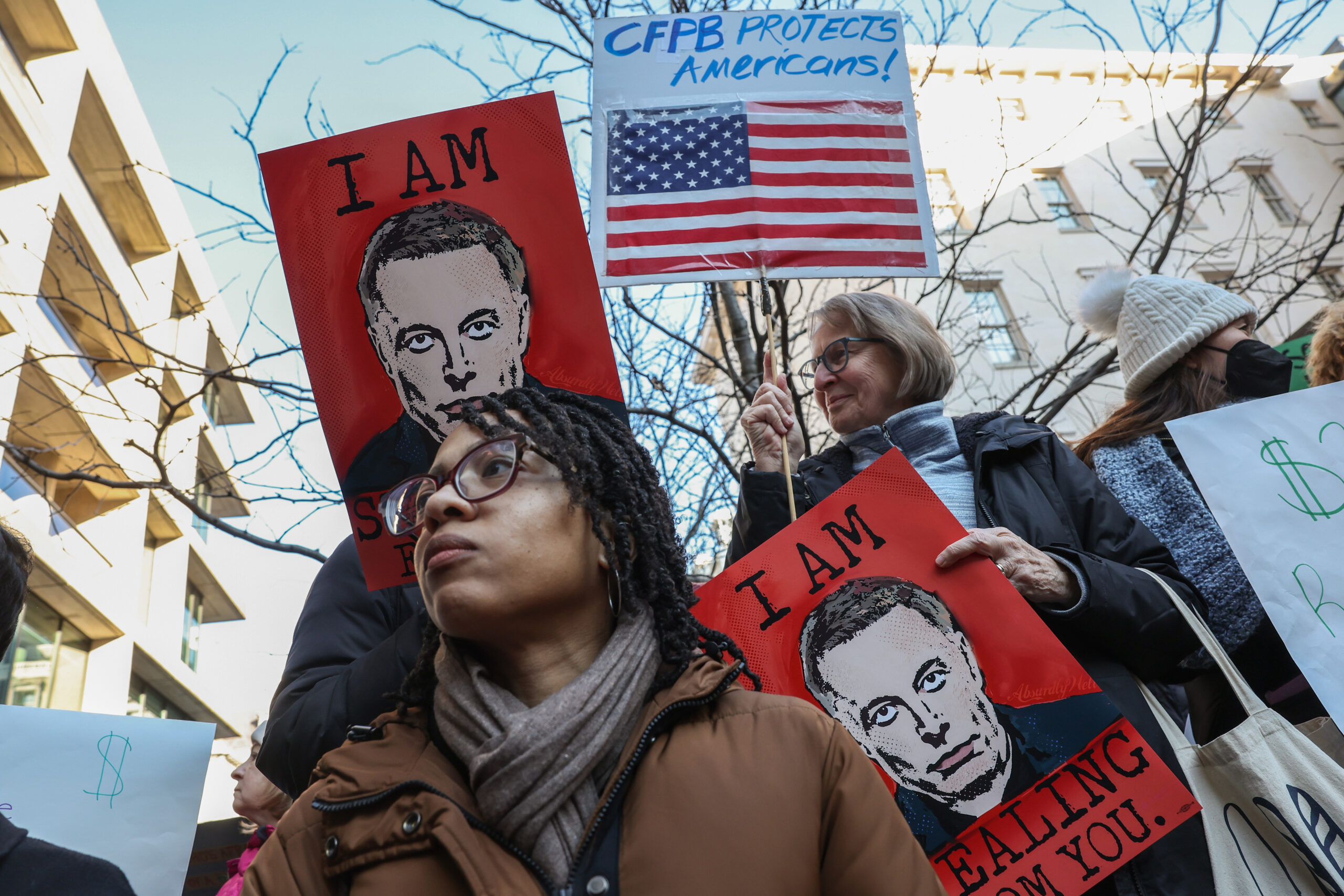
Trump CFPB deleted nearly 4,000 webpages spanning 15 years
In late May, the Consumer Financial Protection Bureau (CFPB) under Trump-appointee and acting director Russell Vought launched a newly redesigned website that deprioritized consumer complaints and reframed the CFPB as a deregulatory agency rather than the nation’s only financial watchdog focused on protecting consumers in the market. As part of this overhaul, the Trump-Vought CFPB…